
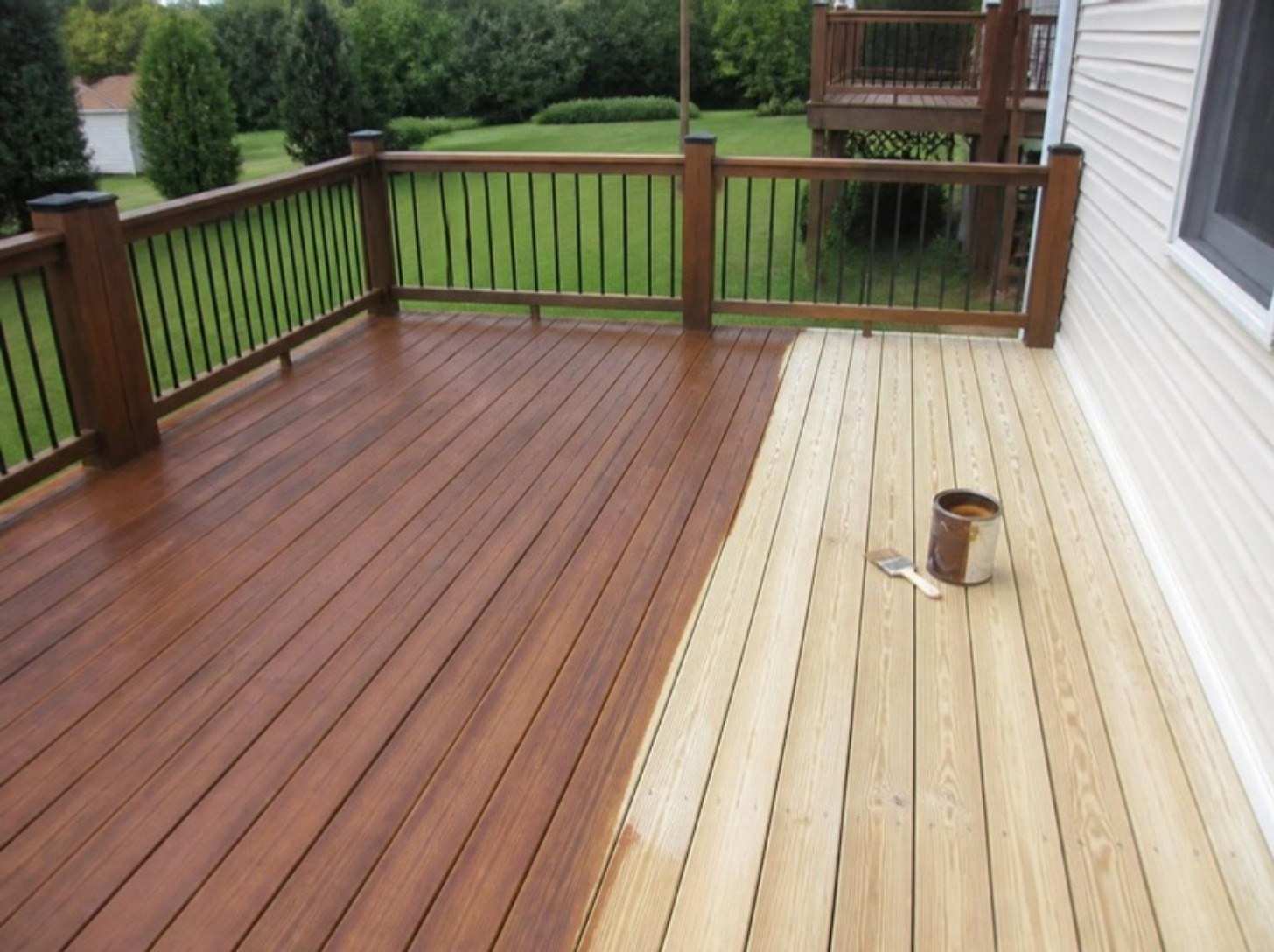
Why Tennessee weather is hard on a deck
Deck maintenance in Middle Tennessee comes down mostly to moisture and sun. Summers are hot and sticky, and a deck under trees can stay damp long after a storm passes. Winters are usually mild, yet hard freezes and the occasional ice storm still show up. Wood that keeps getting soaked and then dried out tends to crack and split along the grain, and the finish on it wears faster.
The ground matters too. Many yards here sit on clay, and some clay swells when wet and shrinks as it dries. In much of the region, limestone lies close to the surface. Both affect how water moves under a deck and how footings hold up, so a yearly routine should include the posts and the ground around them, not just the boards.
Spring is for a thorough cleaning
Wait until most of the pollen has fallen. That yellow film can coat everything for weeks, and washing in the middle of it means doing the job twice. Sweep first. Then clear the gaps between boards with a putty knife so rain can drain through. Look closely at the shady parts of the deck. A green or black film on boards near the house or under trees is usually mildew or algae, and it gets slick when wet.
On wood, a cleaner made for decks and a stiff brush handle most spring cleaning. Diluted household bleach also kills mildew, but keep it off your plants and never mix it with anything that contains ammonia. A pressure washer is easy to misuse, and too much pressure can damage the boards. Use a low setting with a wide fan tip and keep the wand moving.
Composite boards hold up well against rot, but mold and mildew can still grow on the pollen and grime that settles on top of them, especially in shade. Warm soapy water with a soft brush takes care of most of it. Some composite boards can take a pressure washer and some cannot, even within one brand. Read the care guide for your boards before you bring one out, since it also lists which cleaners are safe.
Sealing and staining a wood deck
Wood has to be clean and dry before any finish goes on, and in a humid spring that dry window can be hard to find. A simple test tells you where you stand. Sprinkle some water on the boards. Beading means the old finish is still working, or the wood is too wet to take a new coat. When the water soaks in and darkens the wood quickly, the deck is ready.
Pick a day with mild temperatures and no rain in the forecast, and read the label for the conditions the product needs. Spring and early fall are often the easiest seasons for this here. In midsummer, stain can dry too fast in direct sun and leave lap marks, so work in the morning or while the deck is shaded. Coat a few boards at a time along their full length to avoid visible lines.
The finish you choose sets the upkeep that follows. Clear sealers keep water out but do little against the sun, so the wood still turns gray. Semi transparent stains add pigment and sun protection while letting the grain show, and they tend to fade rather than peel. Solid stains hide the grain, but unless the label says they are made for decks, they tend to peel on the deck floor and may need stripping before the next coat.
In a neighborhood with an HOA, read the covenants before you change color. Many associations in the suburbs around Nashville require approval for exterior color changes, and a deck stain can fall under that rule. Restaining in the same color often needs no request, but rules vary between associations, so a short email to the board or management company settles it. Our guide to getting HOA approval for a deck or fence walks through that process.
Summer means storms and trapped water
Anything that sits on the deck and holds water keeps the boards under it damp in humid weather, and damp wood is where rot and mildew start. Set planters on feet or stands so water drains and air moves underneath. Lift outdoor rugs after a rain, and be careful with rubber backed mats, which can trap moisture on wood and can discolor some composite. Shifting furniture now and then keeps the same spots from staying covered all season.
Thunderstorms are part of summer here, and some bring wind strong enough to drop limbs. After a big storm, walk the deck and look for broken boards or a damaged railing. Then look underneath. Water from a gutter or a sloped yard can pool below the deck or wash soil away from post bases, and clay tends to stay wet long after the rain stops. If water stands under the deck after every storm, redirect the downspouts or fix the grading.
The parts of a deck that face south or west take the hardest sun, and the finish there usually wears first. Note those boards so you know where to focus when you recoat. Watch for carpenter bees too. They favor bare, weathered softwood like pine and cedar, and a perfectly round hole with coarse sawdust below it is their sign. Keeping a finish on the wood makes it less inviting.
Fall brings leaves and clogged gutters
A wet pile of leaves holds moisture and can leave dark tannin stains on wood and composite alike. Sweep them off often while the trees are dropping, and clear the gaps between boards again. A clogged gutter above a deck can pour water onto the same spot every time it rains, so clean those too. Keep firewood stacked away from the deck, not under it, because it holds moisture and can draw termites toward the frame.
Check the parts that hold the deck up
Cooler fall weather makes it a good season for a yearly walk under the deck. Bring a flashlight and a screwdriver. Press the tip into posts and joists, paying extra attention to spots where wood touches the ground or where water tends to sit. Sound wood pushes back. If the tip sinks in easily or the wood feels spongy, that spot is rotting and needs a closer look.
The ledger deserves the most attention. It is the board that fastens the deck to the house, and if it lets go the whole deck can pull away. Look for water stains on the siding or the rim board below it. Check the bolts and metal hangers for heavy rust, since the copper in treated lumber corrodes ordinary steel much faster. A gap opening between the deck and the house is a reason to have it checked.
Next, grab the top of each railing post and push. A railing should feel firm, and a post that moves at its base needs fixing before anyone leans on it. Check the stairs the same way, including the bottom of the stringers where they meet the ground. Nails that have worked up can be driven back or swapped for deck screws.
Finally, sight along the deck floor and the beams. In clay, a footing can shift as the ground swells and shrinks, and a post that has sunk or lifted shows up as a dip or a hump. Where rock sits close to the surface, check the soil at each post base for washouts after heavy rain. A post that has clearly moved is a job for a builder, not a weekend fix.
Winter care is mostly about what not to do
Winters here are usually mild, and most weeks the deck just needs debris swept off. When snow or ice does come, a plastic shovel pushed along the boards is kinder than a metal blade. Salt can be hard on metal fasteners, so read the care guide for your boards and the label on any ice melt before you use it. Often the best move is simply to let it melt.
Water that soaks into cracked, unfinished wood can freeze and widen those cracks, one more reason to keep a finish on a wood deck. With the leaves down, the frame is also easier to see. Write down the boards that need replacing and the spots where the finish failed first, so spring starts with a plan.
Wood and composite need different routines
The biggest difference is the finish. A wood deck needs a fresh coat of stain or sealer whenever the water test says it is time. Composite skips the staining but still needs regular cleaning, and in most cases it sits on a wood frame, so the structural checks above apply to both. Neither material is maintenance free. If you are building new and weighing the two, our guide to wood vs composite decking lays out the tradeoffs for this climate.
When maintenance turns into repair
Good deck maintenance slows wear. It does not reverse rot. When the screwdriver sinks into more than a joist or two, or the ledger itself is soft, new boards on top will not fix the real problem. The same goes for posts that have moved. Our guide to the signs you need a new deck covers how to tell a deck worth saving from one that has run its course.
Cleaning and staining usually do not involve the codes office. Structural repairs can, and the rules differ between cities and counties across the region, so call your city or county codes office before you replace posts or beams. If the work means digging new footings, call 811 first so buried lines get marked. When starting over makes more sense, see how we approach new decks and check the towns we serve before you reach out.
Quick answers
How often should I seal or stain my deck in Tennessee?
No single schedule fits every deck. Sun exposure matters most, along with foot traffic and the product you used. Rely on the water test instead of the calendar. When water soaks into the boards instead of beading, it is time to clean and recoat. Decks in full sun usually get there sooner than shaded ones, and railings often outlast the floor. The product label gives the maker's own expectation.
What is the best way to get mildew off a deck?
Use a cleaner made for decks rather than straight household bleach. On wood, a deck cleaner with a stiff brush and a good rinse usually works. On composite, start with warm soapy water, and check the care guide before trying anything stronger. Mildew tends to come back wherever shade and humidity linger. Trimming branches to let in more sun and keeping the board gaps clear can help slow its return.
Can I stain a new pressure treated deck right away?
Usually not. Unless the boards were kiln dried after treatment, pressure treated lumber is often still wet from the treatment and needs time to dry before stain will soak in. How long depends on the weather and the boards. When water drops soak into the wood instead of beading on top, it is ready. Staining too soon tends to leave a finish that wears off quickly.