
Which fence and gate fit your yard
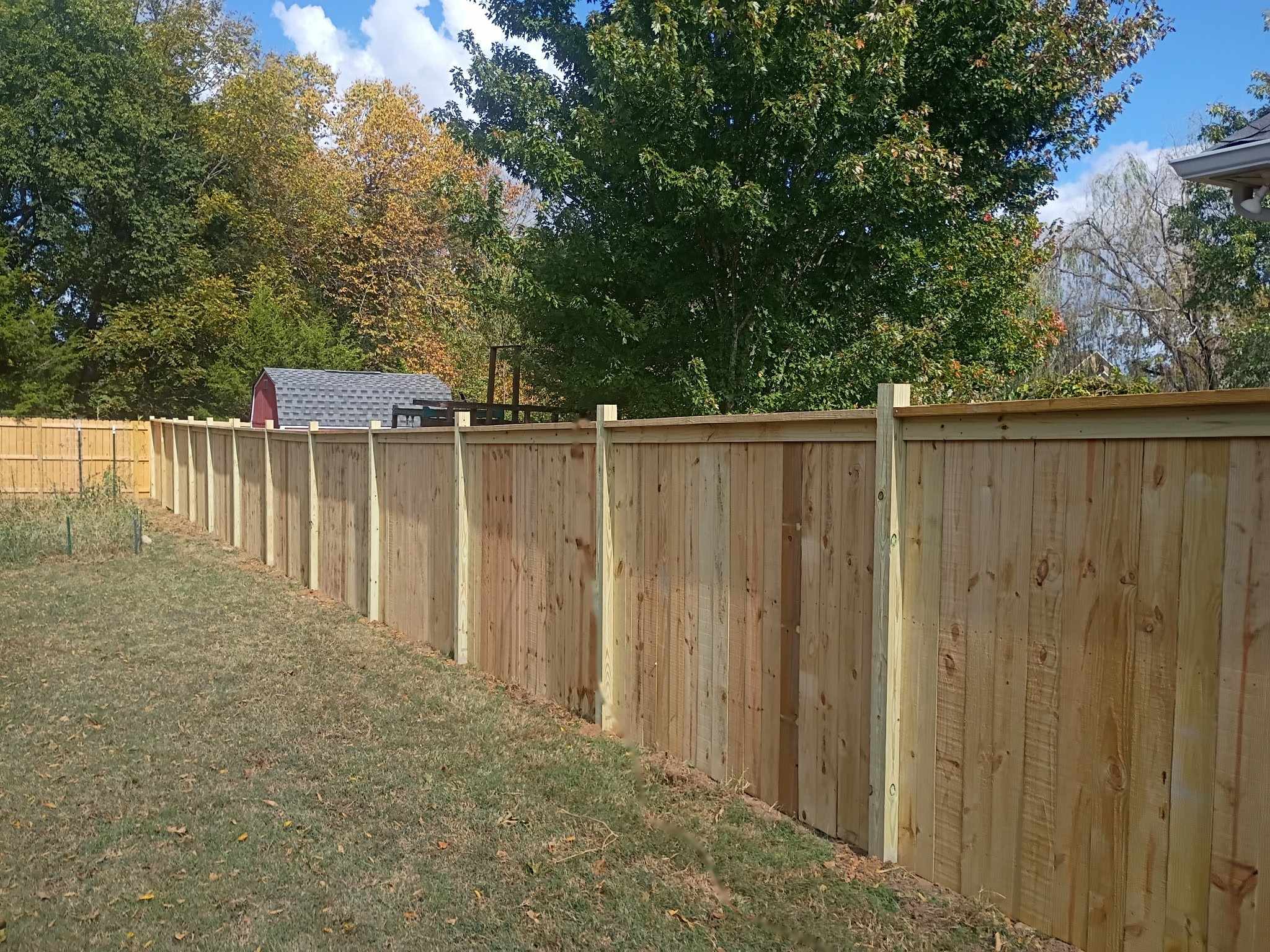
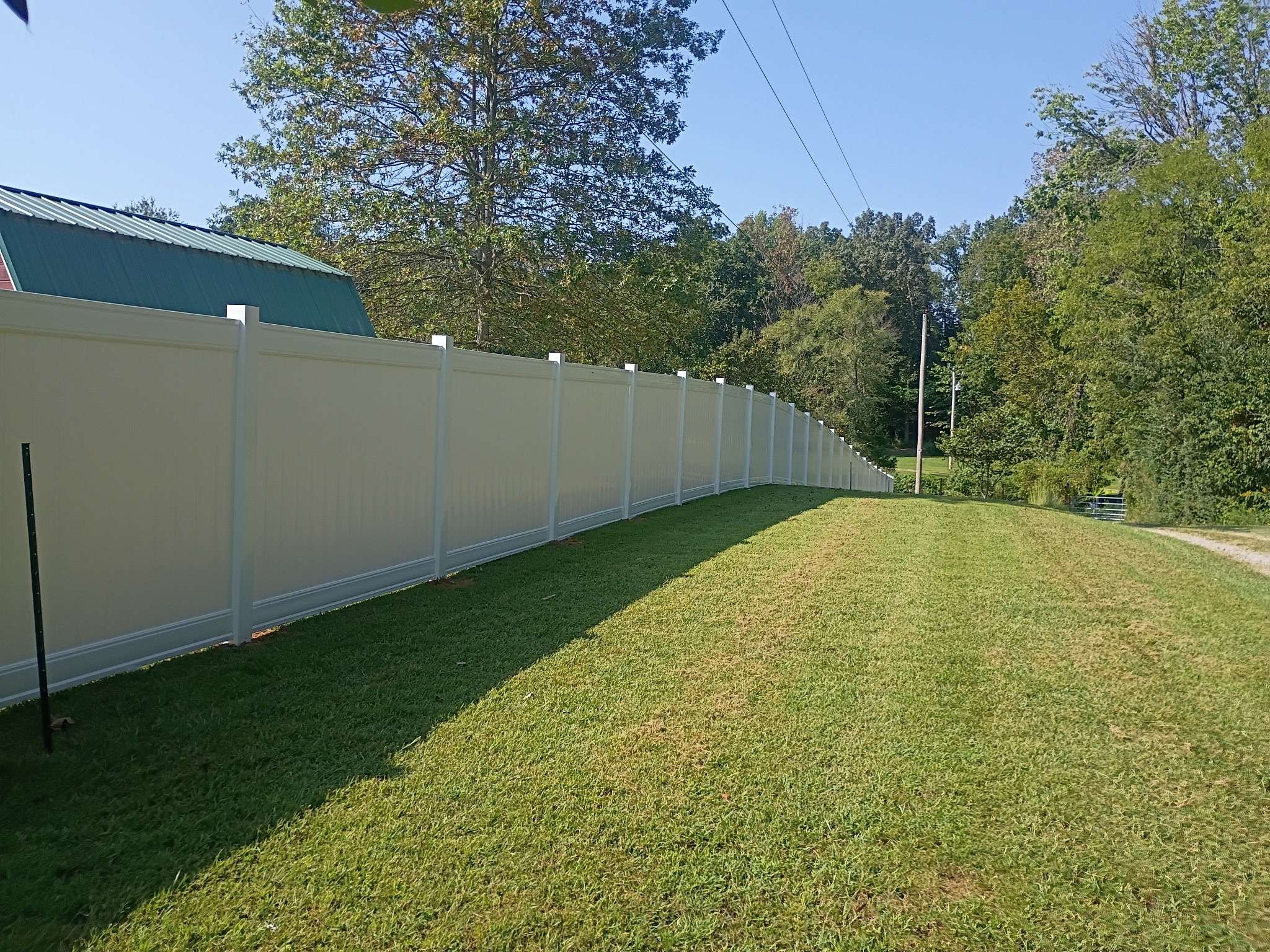
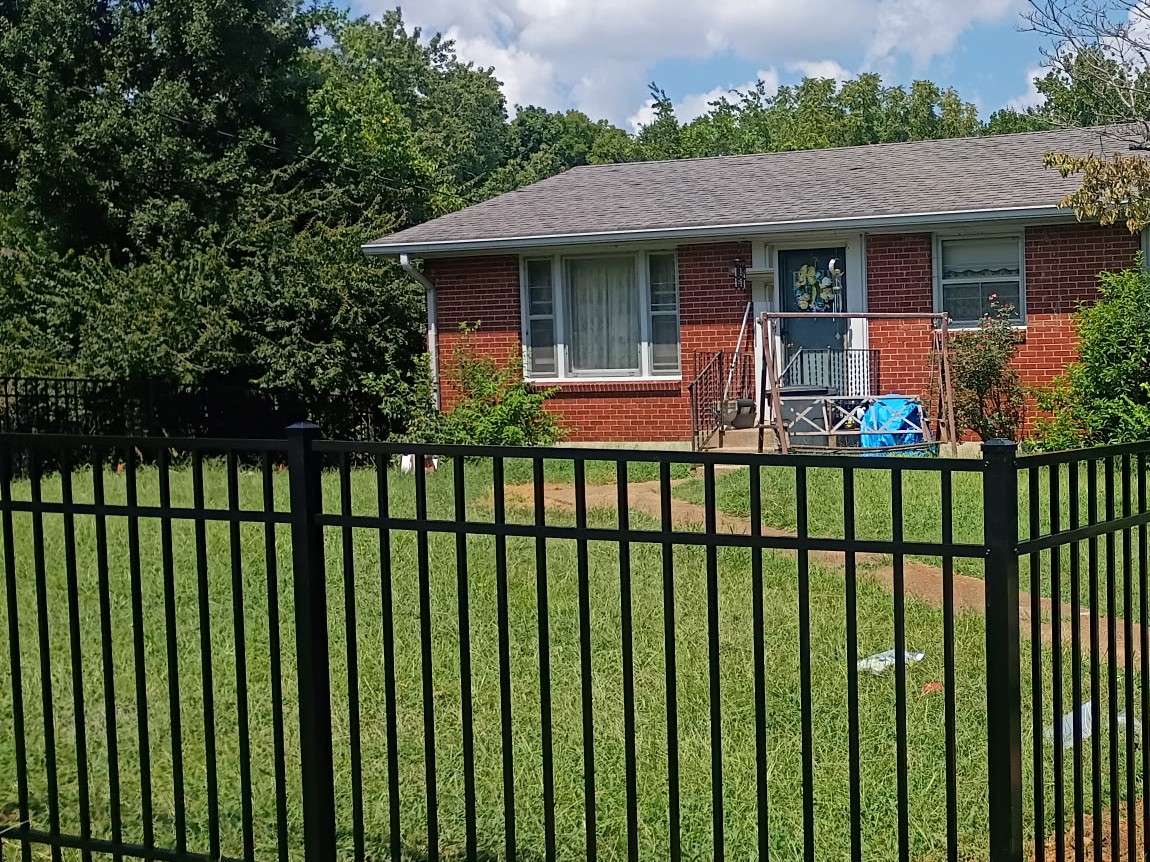
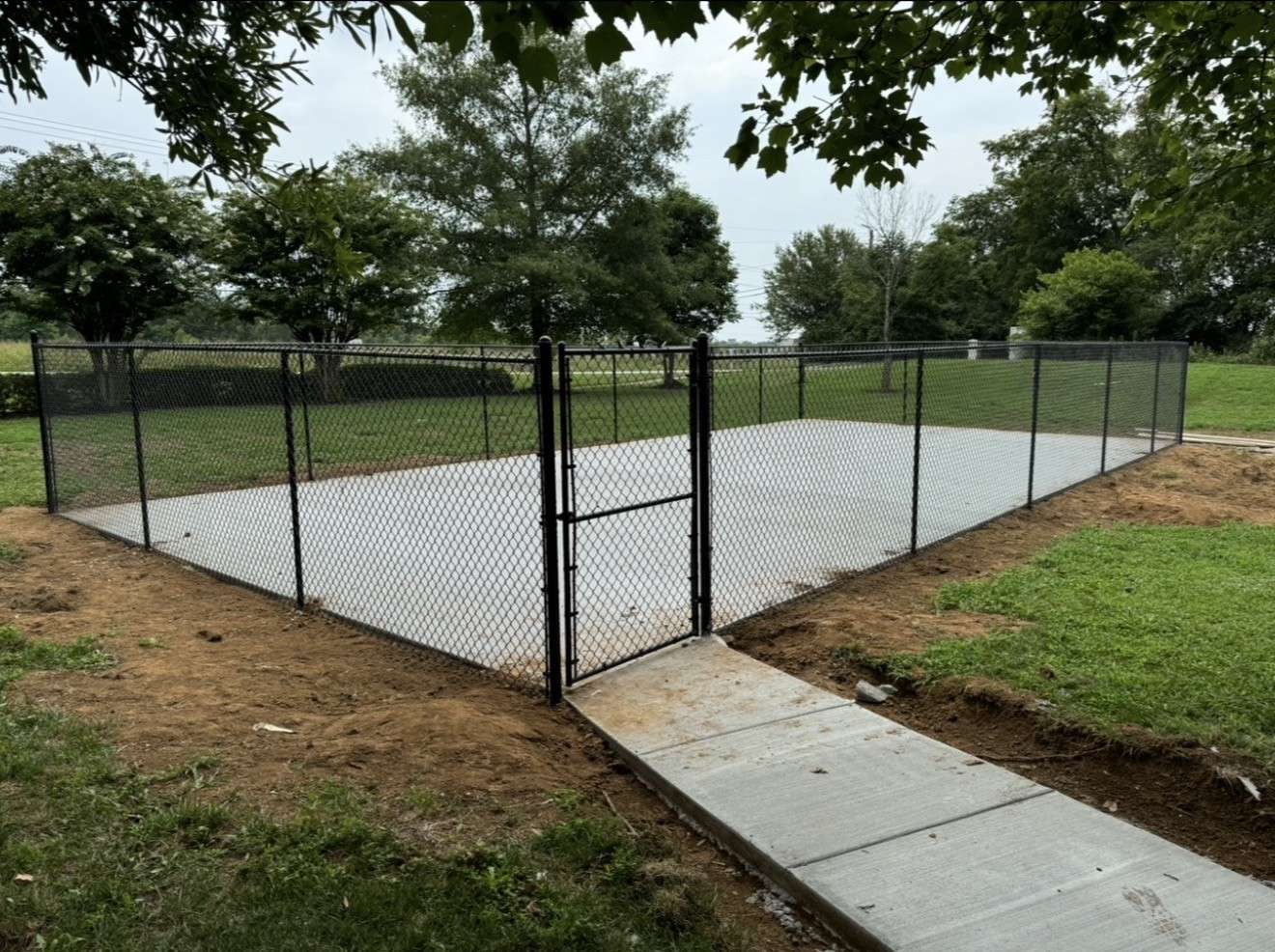
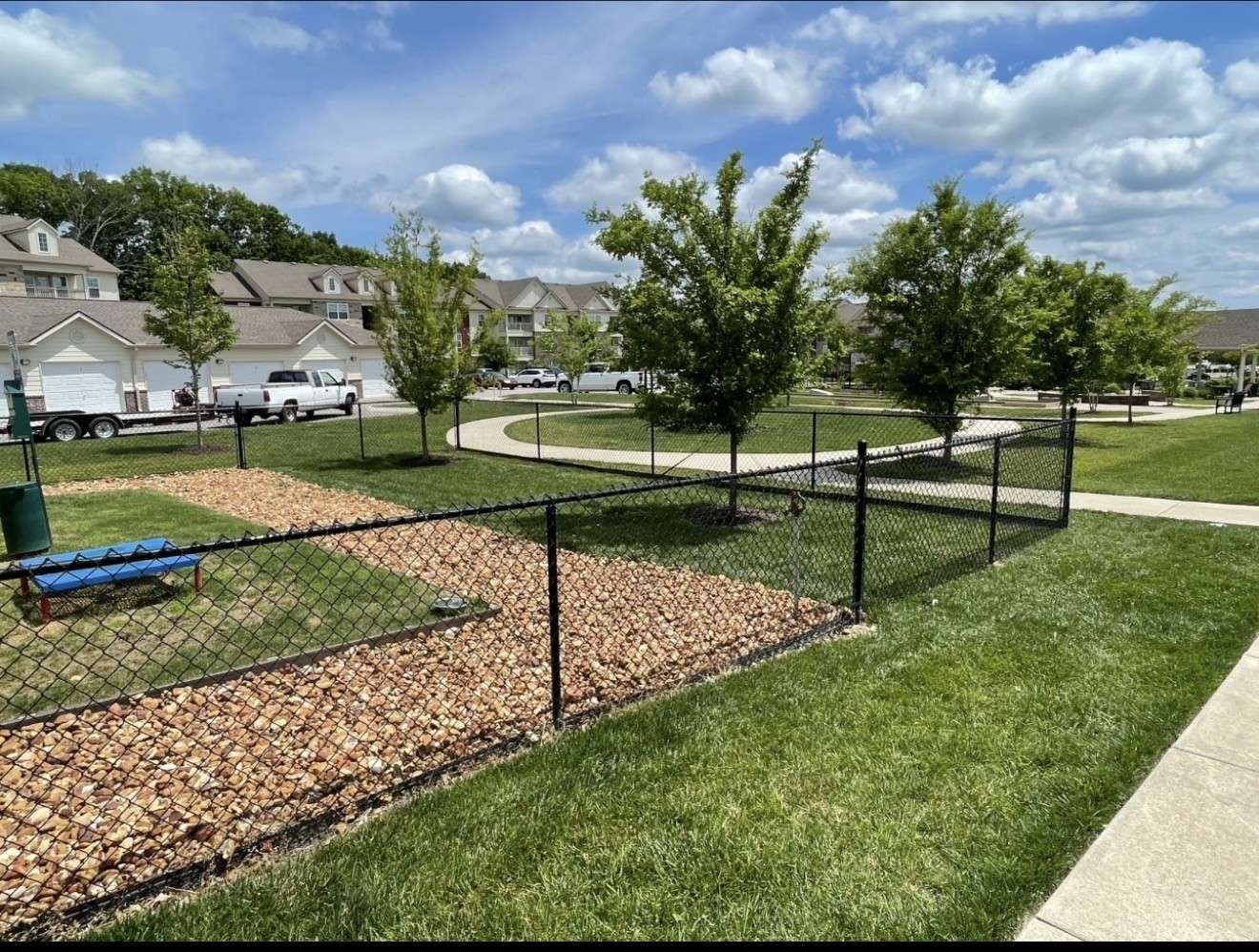
A privacy fence is the tall, solid kind that blocks the view into a backyard. It is often why homeowners call a fence company in the first place. A picket fence sits lower, with space between the boards, and usually runs along a front yard or around a garden. Vinyl skips paint and stain. Black metal keeps a front yard open to the street, and with a gate across the walk it can hold a dog in. Walk gates let people and a push mower through. Drive gates open wide enough for a riding mower or a trailer. If you have something else in mind, describe it in the estimate form.
Posts, rock, and clay under the fence line
A fence is only as straight as its posts. Limestone sits close to the surface in many parts of Middle Tennessee. In parts of Rutherford and Wilson counties, cedar glades show how thin the soil over that rock can be, and an auger may hit solid rock a short way down. Where the rock is deeper, the soil is often heavy clay that can stay wet for days after a hard rain. A post cut short at a rock shelf can start to lean once wind pushes on a solid privacy fence. A post sitting in wet clay can rot at the ground line long before the boards wear out.
Getting a post deep enough in rock takes more time than digging, but it beats a post that stops shallow. In clay, gravel under the post and a concrete top shaped to shed water help keep the wood drier. Freezes here are usually short, but repeated freezing and thawing can still nudge a shallow post out of line. When you get quotes for fence installation, ask what happens when the auger hits rock and whether that work is in the price. Our Murfreesboro fence page goes deeper on rocky Rutherford County yards.
Choosing a privacy fence style
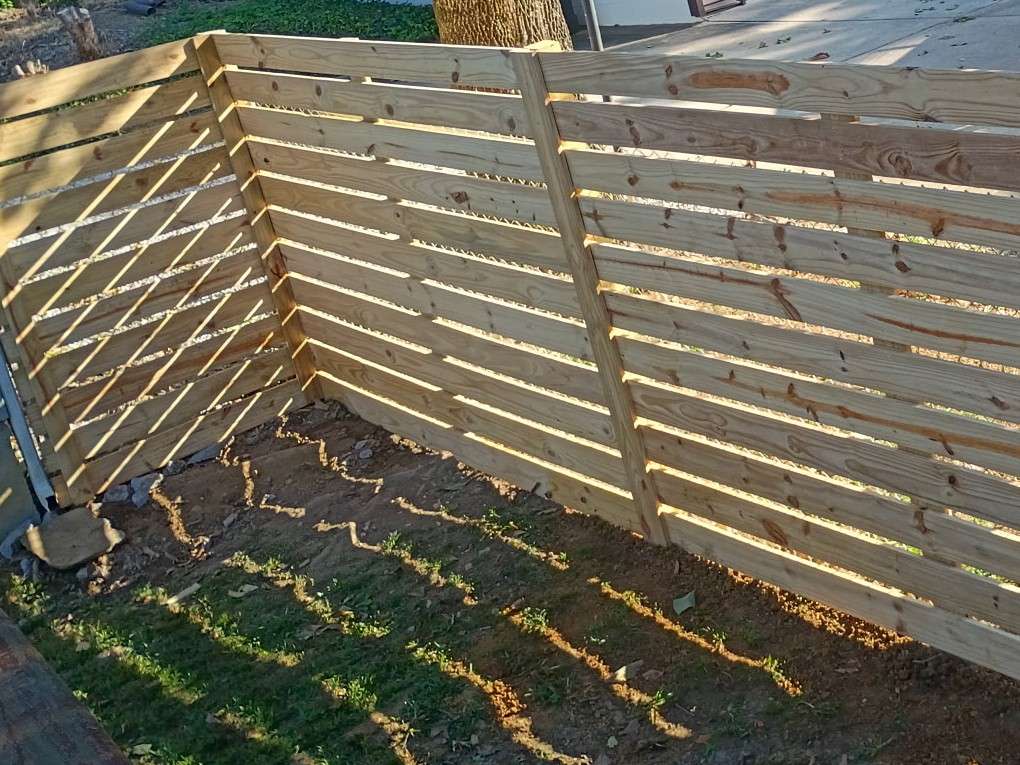
Board on board overlaps the pickets, so the gaps stay covered as new wood dries and shrinks. Shadowbox alternates boards on each side of the rails. It lets some air through and looks nearly the same from both yards. Horizontal boards give a more modern look, but long boards can sag between posts, so they need closer post spacing or extra support. Any solid style takes the full push of the wind, and spring storms here can bring strong gusts. Our guide to privacy fence options compares them side by side.
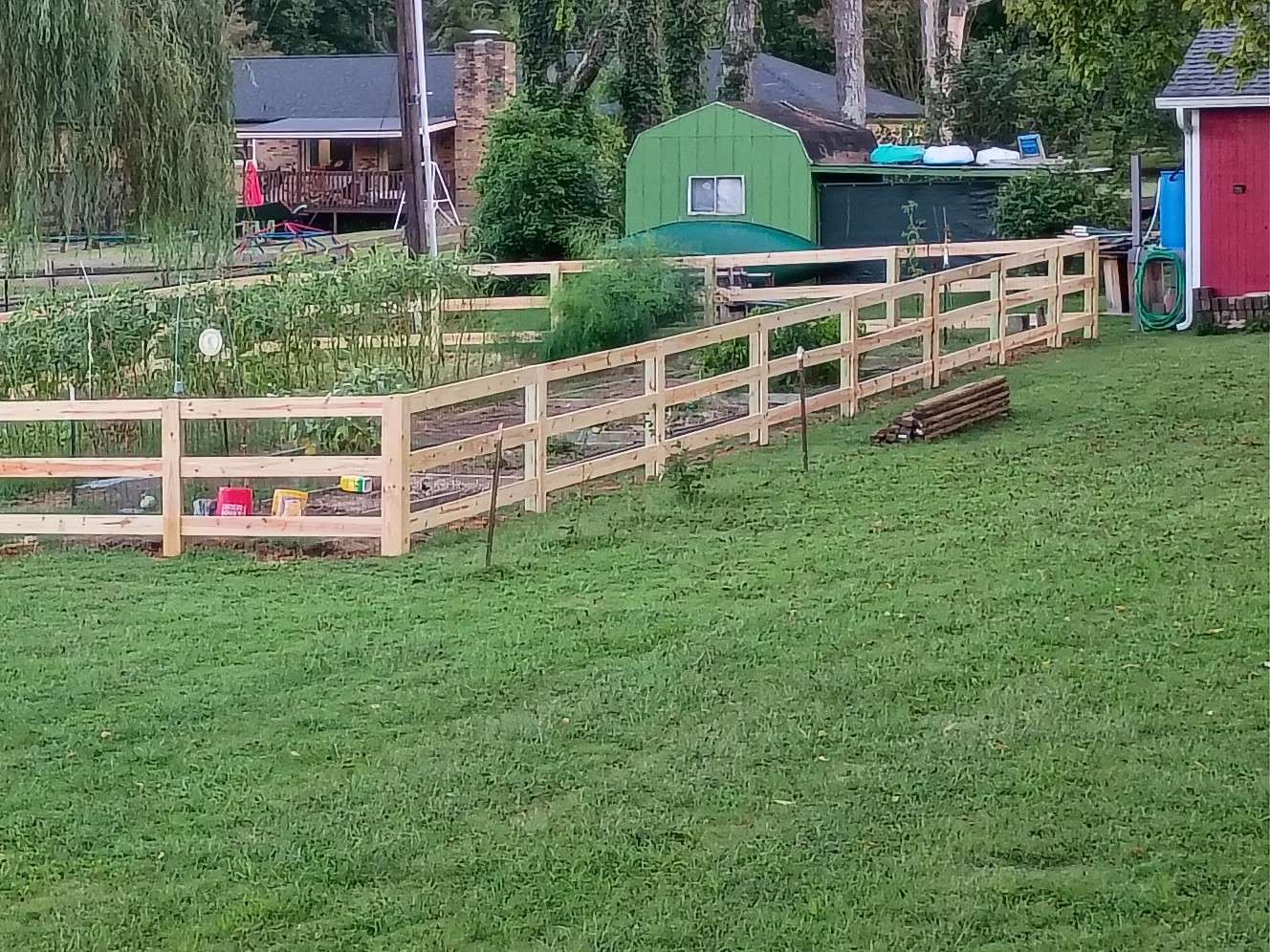
Picket fences do a different job. They mark the edge of a front yard or wrap a garden bed while leaving the house in view from the street. Many HOAs treat front yard fences differently from backyard ones, and some do not allow them at all, so read the rules for your lot before you settle on a height or a spot.
Building a fence on a slope
Rolling ground is common here, including the Highland Rim country around Cookeville, near the edge of the Cumberland Plateau. A stepped fence keeps each section level and drops down the hill like stairs, which leaves a triangle of open space under the low end of each section. A racked fence tilts the rails to follow the grade, so the bottom stays closer to the ground. Stepping often suits steep or uneven yards, and racking tends to work on a steady grade. If you have a dog, those gaps matter. Our guide to fencing a sloped yard covers ways to close them.
Water is the other concern on a hill. A solid fence built tight to the ground can hold back runoff after a heavy rain and leave standing water on the uphill side. A small gap at the bottom lets water through. Watch where water runs after a storm before the line is set. The Brentwood fence page talks through hillside lots in more detail.
Property lines and Tennessee 811
Before any post goes in, you need to know where your lot ends. Do not go by the mowed grass or an old fence. Look for the metal pins at your corners, and if they are missing, hire a surveyor to set them. Many homeowners build a short distance inside the line on purpose, so no part of the fence lands on the neighbor's side. Your plat may also show drainage or utility easements, and a fence inside one can come with conditions, such as removal if crews need access. Our guide on fences and property lines in Tennessee walks through each step.
Tennessee law calls for a notice to Tennessee 811 before digging, so the owners of buried utility lines can mark them. Ask whoever builds your fence who places that request. Locators mark lines that belong to the utilities, usually up to the meter. Private lines, like a sprinkler system or a power line run out to a shed, usually go unmarked, so show your crew where those are.
Fences for dogs and kids
If the fence is mostly for a dog, plan around how that dog gets out. Jumpers need height. Climbers need an inside face with no rails to use as a ladder, though some HOAs require the smooth side to face out, which puts the rails on your side. Diggers go under, so a board along the bottom or wire buried along the fence line helps. With small children, the gate matters most. Put the latch where they cannot reach it, and use hinges that pull the gate shut so it catches on its own. A pool brings barrier rules for height and gate hardware that vary by city and county. Our guide to the best fence for dogs goes further.
HOA review and local rules
Many subdivisions in Middle Tennessee have covenants and an architectural review committee. Rules often set the style and height. Some also control stain color or how close to the street a fence can run, and many want the finished side facing out. Get approval in writing before anyone orders material, because tearing out a fence that breaks the rules costs far more than waiting for an answer. Our guide to getting HOA approval shows what a complete submission includes.
Outside an HOA, rules still vary from place to place. Some cities want a permit for a fence and some do not. Historic districts, including downtown Franklin and some Nashville neighborhoods under historic zoning, review exterior changes. Before work starts, check with the codes office for your city, or the county if you live outside city limits.
Gates that keep closing right
Gates get more use than any other part of a fence, and they are usually the first part to give trouble. All the weight of a wood gate hangs off one post. Over time the latch side drops, the latch stops catching, and the bottom drags. Gate posts should be stouter than line posts and are often set deeper. The frame needs a diagonal brace from the bottom corner on the hinge side up to the top corner on the latch side, so it pushes back against the sag.
A wide drive opening is often split into a double gate, with a drop rod that pins one side to the ground. Put gates on the flattest spot you can. On a slope, swing them downhill so they clear the grass. Size each opening for what really needs to pass, like a riding mower or a trailer. Clay can shift a little between wet and dry seasons, so a latch with room to adjust helps.
Fence questions we hear a lot
Do I need a permit to build a fence in Middle Tennessee?
It depends on where you live. Some cities ask for a fence permit and others do not, and county rules outside city limits can differ again. Pool barriers, corner lots where a fence could block drivers' view of traffic, and historic districts tend to draw extra review. HOA approval is a separate step on top of any permit. Call your city or county codes office with your address, and ask your fence company who handles the permit if one is needed.
Which side of the fence should face my neighbor?
The usual custom is to put the finished side, the smooth face without the rails, toward the neighbor and the street. Many HOAs require it, so check your guidelines first. If you want both sides to look good, a shadowbox fence looks nearly the same from either yard. Either way, talk with your neighbor before the build.
How soon can I stain or seal a new wood fence?
Pressure treated pine often arrives wet from treatment, so it needs time to dry before stain will soak in. Sun and weather decide how long. To test it, sprinkle a little water on a board. If it beads up, wait. Water that soaks in right away means the wood is likely ready. Cedar is not soaked in treatment, so it can usually take a finish sooner. In Tennessee humidity, stain slows graying and helps boards shed water.
How is the price of a fence figured?
Most fence bids start with a price per linear foot. Material and height change that rate, and each gate adds its own line. Rock in the post holes can add cost, as can a steep slope or an old fence that has to come out first. When you compare bids, check that each one prices the same fence line and the same gates. Tell us what the fence is for in the estimate form, and we can start there.
What time of year is best for fence installation?
Fences can go in through most of the year here, since Middle Tennessee ground rarely stays frozen for long. Spring and fall tend to be busy, which can mean a longer wait. Rain is the bigger issue. Soaked clay makes clean post holes hard to dig, and hard cold slows how fast concrete cures, so a wet or icy stretch may push a start date back. If you need the fence by a certain date, say so in the estimate form.