What a good Baxter deck looks like
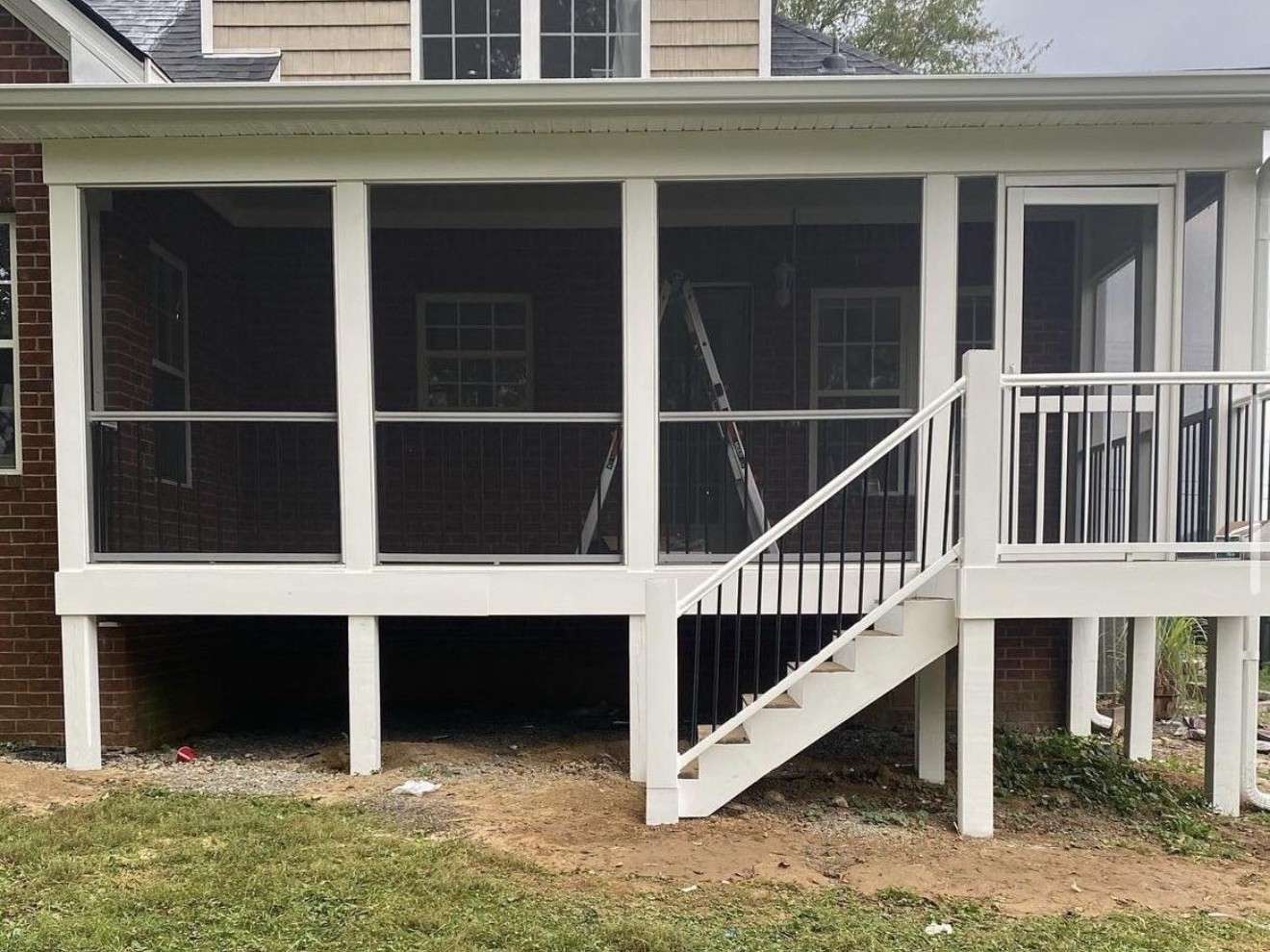
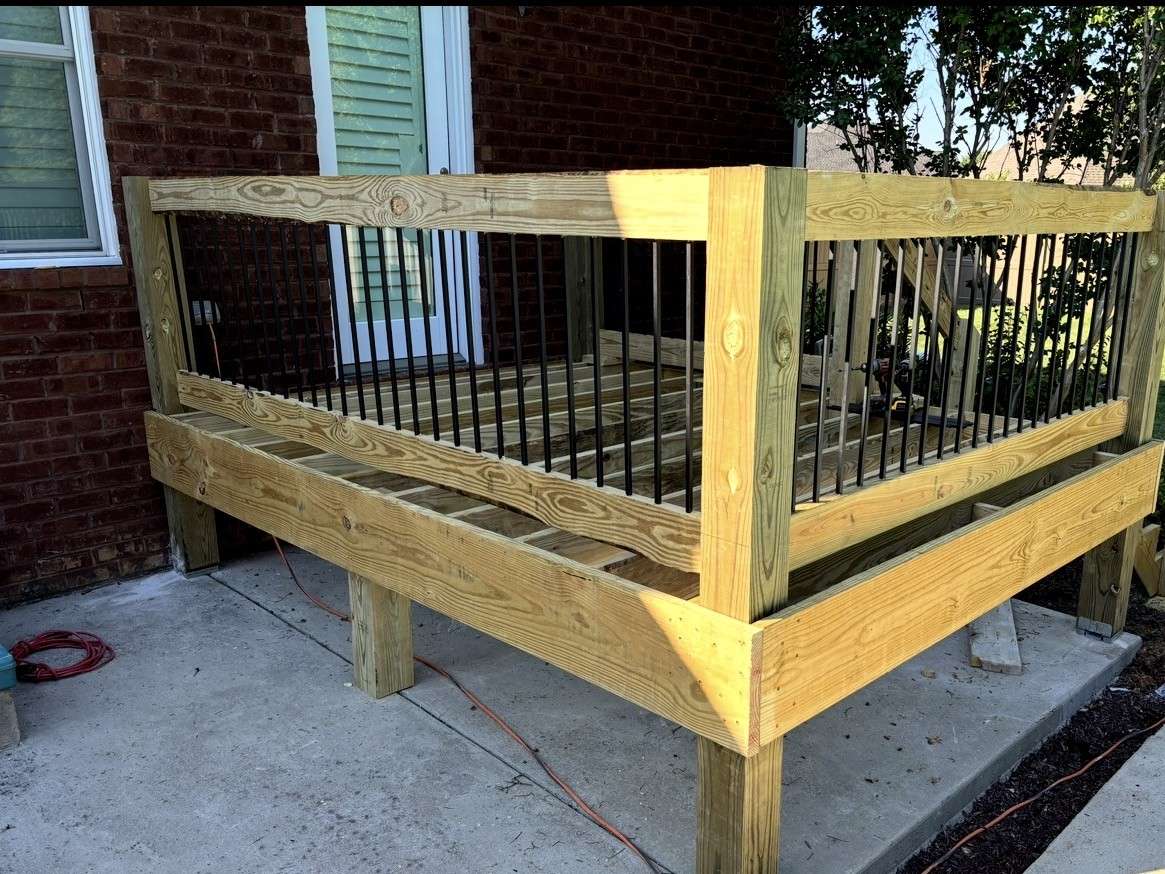
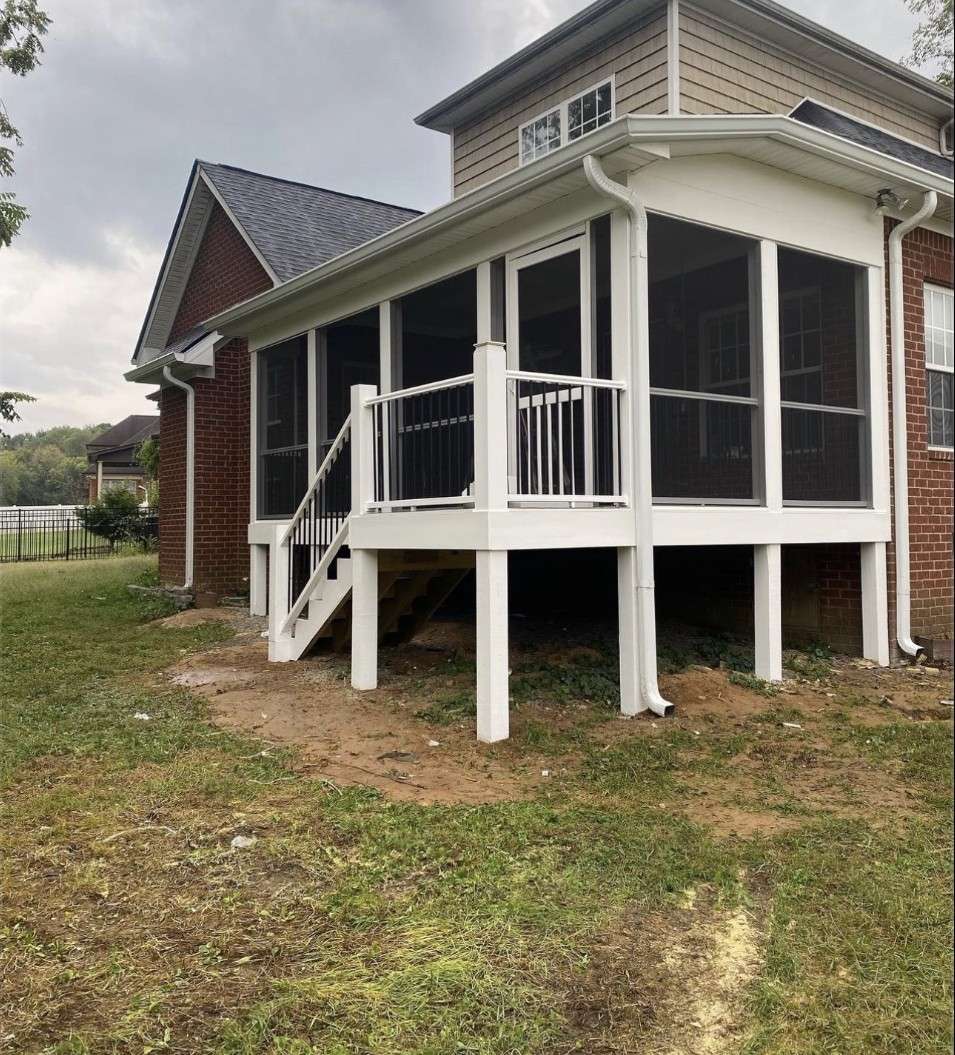
For a country home in Baxter, a good deck is usually low or one story up, sized for a table and a grill, with wide stairs down to the yard. Wide stairs matter more than people expect. You will carry feed buckets and coolers up them, often with a dog underfoot. A concrete pad or gravel landing at the bottom keeps mud off the treads. If most visitors come in through the back, the back deck often becomes the door everyone uses, so plan it for traffic and put a light near the steps. Keep the shape simple. Every extra corner adds footings and framing without adding much room to sit.
When a footing hole hits rock in Baxter
Dig down around Baxter and you will often find soil mixed with chert, with cherty limestone below. The rock may be deep, or on some ridges it may be right under the grass. Deck footings need to bear on firm ground below the frost line, and the local code sets how deep that is. When an auger stops early on a solid limestone shelf, that rock may make a good base, and the inspector may accept a footing set right on it. Loose chert or a cracked ledge is different, and it has to be dug past or broken out. What you should not accept is a post dropped on whatever the auger happened to stop on. Ask any deck builder how they handle rock before you sign.
Parts of Putnam County also have sinkholes, which form where water slowly dissolves limestone underground. A soft spot or a dip in the yard that holds water after rain is worth pointing out before the deck is laid out. Moving a footing a few feet is easy on paper and hard once the concrete is poured. Before any hole is dug, someone has to call Tennessee 811 so the utility companies can mark their buried lines.
Damp ground near the Falling Water River
Homes with a Baxter address near the Falling Water River may sit on lower ground where the soil stays wet longer after a rain. Wood posts last longer standing on concrete footings above the soil than buried in wet dirt, since the buried end is where rot usually starts. A low deck also needs air moving under it. Any skirting should be open or vented, and the framing should sit clear of the ground so joists can dry between rains. Framing that stays damp is more likely to rot where boards meet. If your lot floods now and then, check with the City of Baxter or with Putnam County before you build. A deck in a mapped flood area can need extra review, and it may need to be anchored well enough to stay put in high water.
Open lots and afternoon sun
A lot of Baxter homes sit on cleared ground with few big trees near the house, so the deck takes full sun for much of the day. That matters when you pick boards. Composite gets hot underfoot in direct summer sun, and darker colors get hotter. Pressure treated pine stays cooler, but it will check and turn gray faster without a sealer or stain. Neither choice is wrong. Think about how the deck gets used. If the dog lies out there all afternoon or the kids run barefoot, a lighter board or a roof over part of the deck helps a lot. Our guide on wood vs composite decking lays out the tradeoffs.
Older farmhouses and manufactured homes
Many rural lots around Baxter hold an older farmhouse or a manufactured home, and both need care where the deck meets the house. Before a deck is bolted to any house, the rim board it hangs from has to be sound. On an older farmhouse, that board may hide rot behind the siding, or the framing may never have been meant to carry a ledger. When it is not solid, a freestanding deck with its own row of posts along the house is often the safer answer. Manufactured homes are a similar case, and a deck beside one is usually built to stand on its own instead of hanging from the house. When you ask for a price, tell us what kind of house you have and roughly how old it is.
Deck permits in Baxter and Putnam County
Whether you need a permit depends on where you live and what you build. Inside Baxter city limits, start with City Hall. Out in the county, the Putnam County codes office handles permits, and it lists decks added to existing buildings among the work that needs one. A deck attached to the house or raised well off the ground usually needs a permit and inspections, while a small, low platform may not. Do not guess. A deck built without a required permit can turn into a problem years later when you sell. If your land is in a subdivision with covenants, an HOA or the developer may also need to approve it. Our deck permit guide explains the usual steps.
Baxter deck questions
Can a deck go near my septic tank or well?
Many homes outside Baxter city limits use a septic system, and a deck should not sit on top of the tank or the drain field. The tank lids need to stay reachable for pumping, and footings do not belong in the field lines. Wells have their own spacing rules, which vary. Before a deck is laid out, find where the tank and field lines run and where the well sits. A crushed line is an expensive repair, and it is easy to avoid.
Is pressure treated pine good enough for a deck in Baxter?
For the frame, yes. Pressure treated pine is the standard choice for posts and framing, and lumber rated for ground contact belongs anywhere near the soil. Even a composite deck usually sits on a treated frame. For the boards you walk on, treated pine works well if you clean and seal it every so often. Left bare, it checks and turns gray faster. Use fasteners rated for treated lumber, since the chemicals in it can corrode plain steel.
Does a low deck need a railing?
It depends on how far the walking surface sits above the ground below it. The building code sets the height where a guard becomes required, and the inspector goes by that, so it is not a matter of taste. On a sloping yard in Baxter, a deck can be low at the house and much higher at the far edge, so one side may need a rail when the other does not. Some owners add one anyway for older family members or small kids.
Can I add a roof over my deck later?
You can, but it goes much easier if the deck is planned for it now. A roof adds weight and catches wind, so the posts and footings under it usually need to be bigger than a plain deck would call for. If you think you might want a cover in a few years, say so up front. Footings can be sized and placed for roof posts from the start, which costs far less than digging new ones through a finished deck. A roof may need its own permit review too.
How do I get a price on a deck in Baxter?
Use the estimate form on this page. Tell us roughly how big you want the deck and how high the door sits above the ground, and send a few photos of the back of the house if you can. Mention anything near the spot, like a septic lid or a wet area. Those details change the footing plan and the price, so having them up front makes the first conversation more useful for both of us.